Brought to you by Scott P. Rogers, Funkhouser Real Estate Group, 540-578-0102, scott@HarrisonburgHousingToday.com
Brought to you by Scott P. Rogers, Funkhouser Real Estate Group, 540-578-0102, scott@HarrisonburgHousingToday.com
Tuesday, June 9, 2026
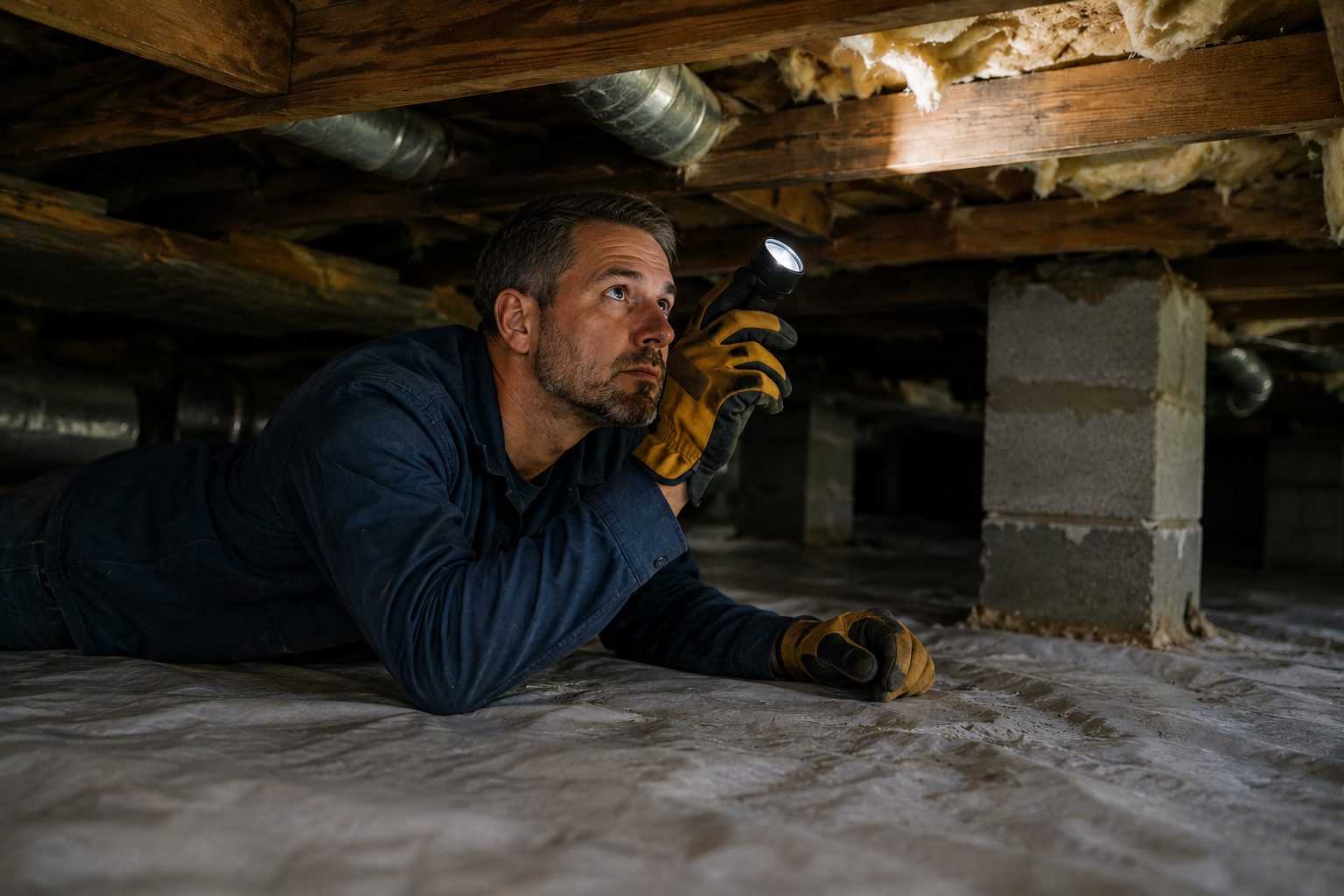
If your home is under contract and the buyer has included a home inspection contingency -- you might wonder what happens after the inspection is complete. What are the buyer's options...and as a seller, what should you expect?
Here are the three main paths a buyer might take...
Path 1: Move forward without any requests.
Sometimes a buyer does the inspection, reviews the report, and decides everything looks fine, or fine enough. This doesn't happen all that often (perhaps 10% of the time) but sometimes a buyer is comfortable with addressing the minor items identified through the inspection after they own the house.
Path 2: Request repairs or a credit.
This is the mostly likely path for the inspection contingency to take... probably around 88% of the time. Yes, that's an odd number... just trying to get the likelihood of all three of the paths to add up to 100%. ;-) In this scenario, after the inspection, the buyer sends a list of items they'd like the seller to address -- either by making repairs prior to closing, or by providing a credit so the buyer can handle things themselves. If you're selling your home, and there is an inspection contingency, it is reasonable to expect this path.
Path 3: Walk away.
Occasionally, a buyer reviews the inspection findings and decides they no longer want to move forward. This does not happen that often -- maybe in 2% of home sales with inspection contingencies -- but this is one of the reasons the contingency exists -- to protect a buyer if they find significant issues that cause them to decide they are not comfortable moving forward with the purchase.
So... if you're a seller, the most likely thing that happens after an inspection is that a buyer will come back with a list of requested requests.
So, how will you respond as a seller?
I will encourage you to think about it as trying to find an agreement that both you and the buyer can feel good about.
When we receive the repair request, we should be thinking about whether most buyers would make a similar repair request.
For example...
Scenario 1 - A buyer requests three repairs that are things that would show up on almost any inspection and that most buyers would request that you repair. It probably makes sense to agree to these requested repairs.
Scenario 2 - A buyer submits a list of ten requested repairs and seven of them are very minor -- the kind of thing most buyers would plan to handle themselves. In this situation, you might agree to just some of the requested repairs (the more significant items) and try to reach an agreement with the buyer to address the repairs that are most significant and that most buyers would request.
Once again, the goal here is to try to find a path forward where both the buyer and seller feel comfortable with the agreed upon repairs.
Here are the three main paths a buyer might take...
Path 1: Move forward without any requests.
Sometimes a buyer does the inspection, reviews the report, and decides everything looks fine, or fine enough. This doesn't happen all that often (perhaps 10% of the time) but sometimes a buyer is comfortable with addressing the minor items identified through the inspection after they own the house.
Path 2: Request repairs or a credit.
This is the mostly likely path for the inspection contingency to take... probably around 88% of the time. Yes, that's an odd number... just trying to get the likelihood of all three of the paths to add up to 100%. ;-) In this scenario, after the inspection, the buyer sends a list of items they'd like the seller to address -- either by making repairs prior to closing, or by providing a credit so the buyer can handle things themselves. If you're selling your home, and there is an inspection contingency, it is reasonable to expect this path.
Path 3: Walk away.
Occasionally, a buyer reviews the inspection findings and decides they no longer want to move forward. This does not happen that often -- maybe in 2% of home sales with inspection contingencies -- but this is one of the reasons the contingency exists -- to protect a buyer if they find significant issues that cause them to decide they are not comfortable moving forward with the purchase.
So... if you're a seller, the most likely thing that happens after an inspection is that a buyer will come back with a list of requested requests.
So, how will you respond as a seller?
I will encourage you to think about it as trying to find an agreement that both you and the buyer can feel good about.
When we receive the repair request, we should be thinking about whether most buyers would make a similar repair request.
For example...
Scenario 1 - A buyer requests three repairs that are things that would show up on almost any inspection and that most buyers would request that you repair. It probably makes sense to agree to these requested repairs.
Scenario 2 - A buyer submits a list of ten requested repairs and seven of them are very minor -- the kind of thing most buyers would plan to handle themselves. In this situation, you might agree to just some of the requested repairs (the more significant items) and try to reach an agreement with the buyer to address the repairs that are most significant and that most buyers would request.
Once again, the goal here is to try to find a path forward where both the buyer and seller feel comfortable with the agreed upon repairs.