Brought to you by Scott P. Rogers, Funkhouser Real Estate Group, 540-578-0102, scott@HarrisonburgHousingToday.com
Brought to you by Scott P. Rogers, Funkhouser Real Estate Group, 540-578-0102, scott@HarrisonburgHousingToday.com
Thursday, April 30, 2026
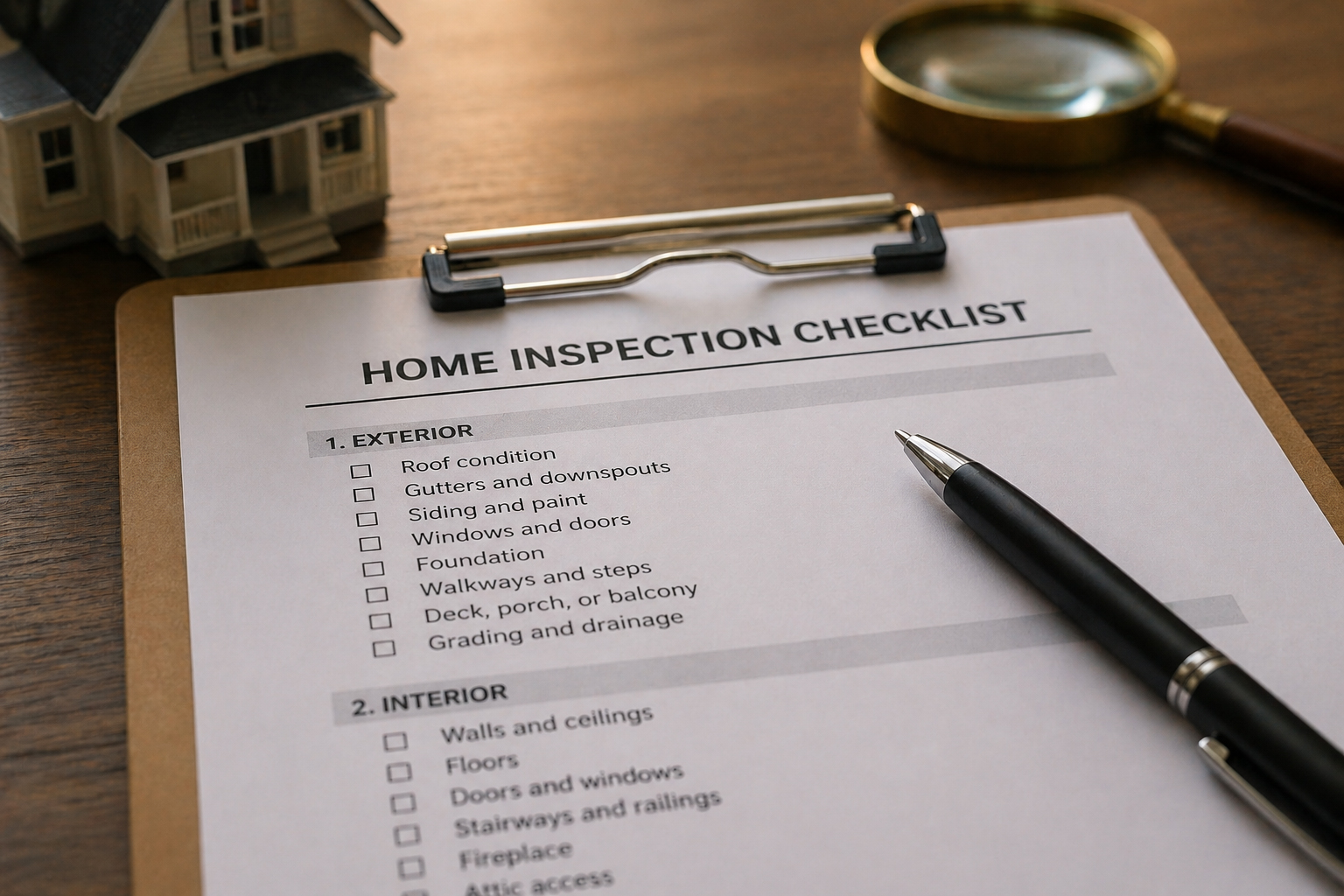
You are excited to buy a house, and you have made offers on houses, but we keep running into the same problem - another buyer is willing to waive their home inspection contingency entirely, and you're not.
So what do we do?
Let's explore some options you might not have considered yet...
Option 1: Keep doing what you're doing.
You make offers with a standard home inspection contingency -- typically giving yourself around 14 days to complete the inspection and decide whether to request repairs, terminate or move forward. If we're consistently losing to buyers who are waiving inspections, this approach may keep putting you at a disadvantage. But it's also the safest approach, and if you're patient enough, eventually you may find yourself in a situation where you're not competing against a buyer willing to take that risk.
Option 2: Shorten the inspection timeline.
Instead of asking for 14 days, you offer to complete your inspection within 5 days. This should indicate to the seller that you won't leave them in limbo for two weeks... and it does make your offer at least slightly more appealing. The trade-off, though, is that you'll need to work with whichever inspector is available on short notice rather than one you might prefer, and depending on your schedule, you might not be able to attend the inspection in person.
Option 3: Inspect, but agree not to request any repairs.
This is an interesting middle ground. You do the inspection -- you get the information -- but you tell the seller upfront that you won't be asking them to fix anything or provide any credits. You retain the right to walk away if something serious comes up, but the seller can feel confident they won't be hit with a repair list. For a seller who has had bad experiences with inspection negotiations, this can feel safer than a typical inspection contingency.
Option 4: Inspect, but only request repairs above a dollar threshold.
You agree that you'll only ask for repairs if something truly significant is found -- say, items that would cost (in total, with all other needed repairs) $5,000 or more to address. This eliminates the possibility of you coming back to the seller over minor issues like a dripping faucet or a missing outlet cover. It focuses the inspection on what really matters, and it gives the seller reasonable confidence that the process won't get nitpicky.
Option 5: Inspect, but offer your deposit to the seller if you walk away.
This one can really demonstrate your seriousness. You do the inspection, but you agree up front that if you decide to terminate the contract based on the home inspection, the seller can retain your deposit. This shows a greater level of commitment to buying the house, though if you do walk away, and give the seller their deposit - they still have to then find a buyer who wants to buy the house after another buyer decided not to based on inspection findings.
Option 6: No inspection contingency at all.
Yes, this is the most competitive option. And if you're buying a house you really like, and that seems to have been well maintained, with recently updated major systems, it might be a risk you are willing to take. This risk is not for everyone, and it's not for every house. But it's an option worth considering seriously if you've lost multiple offers and you find a home you really love.
So, what will you do next?
If you have lost two or three offers already using Option 1, we might want to chat further about Options 2, 3, 4 and 5 - or a combination of them. These alternative approaches are still an inspection contingency - but they can potentially let you reduce the amount of risk the seller believes that contingency adds to the transaction.
If you'd like to talk through which approach makes the most sense for your situation, I'm happy to help you think it through.
So what do we do?
Let's explore some options you might not have considered yet...
Option 1: Keep doing what you're doing.
You make offers with a standard home inspection contingency -- typically giving yourself around 14 days to complete the inspection and decide whether to request repairs, terminate or move forward. If we're consistently losing to buyers who are waiving inspections, this approach may keep putting you at a disadvantage. But it's also the safest approach, and if you're patient enough, eventually you may find yourself in a situation where you're not competing against a buyer willing to take that risk.
Option 2: Shorten the inspection timeline.
Instead of asking for 14 days, you offer to complete your inspection within 5 days. This should indicate to the seller that you won't leave them in limbo for two weeks... and it does make your offer at least slightly more appealing. The trade-off, though, is that you'll need to work with whichever inspector is available on short notice rather than one you might prefer, and depending on your schedule, you might not be able to attend the inspection in person.
Option 3: Inspect, but agree not to request any repairs.
This is an interesting middle ground. You do the inspection -- you get the information -- but you tell the seller upfront that you won't be asking them to fix anything or provide any credits. You retain the right to walk away if something serious comes up, but the seller can feel confident they won't be hit with a repair list. For a seller who has had bad experiences with inspection negotiations, this can feel safer than a typical inspection contingency.
Option 4: Inspect, but only request repairs above a dollar threshold.
You agree that you'll only ask for repairs if something truly significant is found -- say, items that would cost (in total, with all other needed repairs) $5,000 or more to address. This eliminates the possibility of you coming back to the seller over minor issues like a dripping faucet or a missing outlet cover. It focuses the inspection on what really matters, and it gives the seller reasonable confidence that the process won't get nitpicky.
Option 5: Inspect, but offer your deposit to the seller if you walk away.
This one can really demonstrate your seriousness. You do the inspection, but you agree up front that if you decide to terminate the contract based on the home inspection, the seller can retain your deposit. This shows a greater level of commitment to buying the house, though if you do walk away, and give the seller their deposit - they still have to then find a buyer who wants to buy the house after another buyer decided not to based on inspection findings.
Option 6: No inspection contingency at all.
Yes, this is the most competitive option. And if you're buying a house you really like, and that seems to have been well maintained, with recently updated major systems, it might be a risk you are willing to take. This risk is not for everyone, and it's not for every house. But it's an option worth considering seriously if you've lost multiple offers and you find a home you really love.
So, what will you do next?
If you have lost two or three offers already using Option 1, we might want to chat further about Options 2, 3, 4 and 5 - or a combination of them. These alternative approaches are still an inspection contingency - but they can potentially let you reduce the amount of risk the seller believes that contingency adds to the transaction.
If you'd like to talk through which approach makes the most sense for your situation, I'm happy to help you think it through.