Focus On The Big Items When Drafting A Repairs Request

Scott P. Rogers
After a home inspection, a buyer knows more about the house than when they agreed to pay $X to purchase the house. In order for them to still want to pay $X for the house, they may ask the seller to address some of the deficiencies found during the home inspection.
Imagine a hypothetical scenario where the following deficiencies are found:
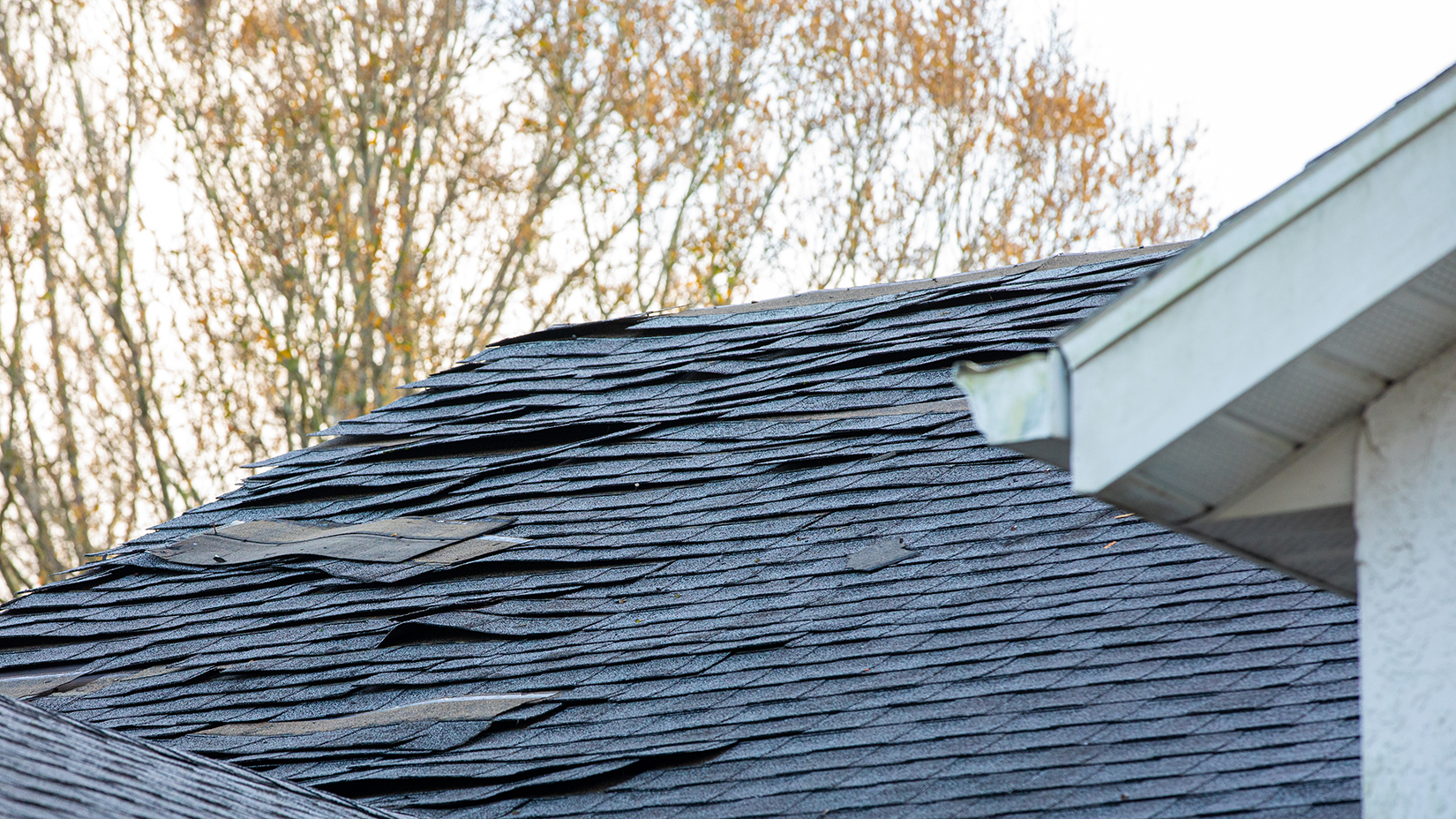
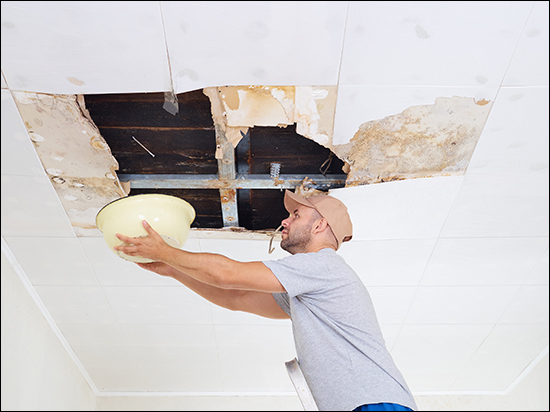
- The roof is actively leaking.
- The air conditioning system is not working at all.
- One of the toilets wobbles a bit when rocked back and forth.
- Two closet doors do not latch properly.
- One of the bathroom sinks drains slowly.
- The weather stripping at the back door is torn.
- There are two small holes in the vinyl siding.
So - which items should the buyer ask the seller to repair?
Some could say ALL of them - the buyer didn't agree to pay $X for the house with all of these large and small issues.
But I'd advise most buyers to only request that the seller address a subset of those issues:
- The roof is actively leaking.
- The air conditioning system is not working at all.
All of the other items (3-7) are minor issues that won't cost too much (in time or money) to repair after you buy the house.
But why not ask the seller to repair these items?
- You risk the seller having knee-jerk reaction of thinking you are asking for too many small repairs and they could adopt a "take it or leave it" approach and refuse to make any repairs.
- The seller might also say -- OK -- I'll address five out of seven of the issues -- the last five! Here, they would seem to be responsive to your request, but would have missed the two most important (and most expensive) items on the list.