Brought to you by , Funkhouser Real Estate Group, , scott@HarrisonburgHousingToday.com
Friday, December 19, 2025
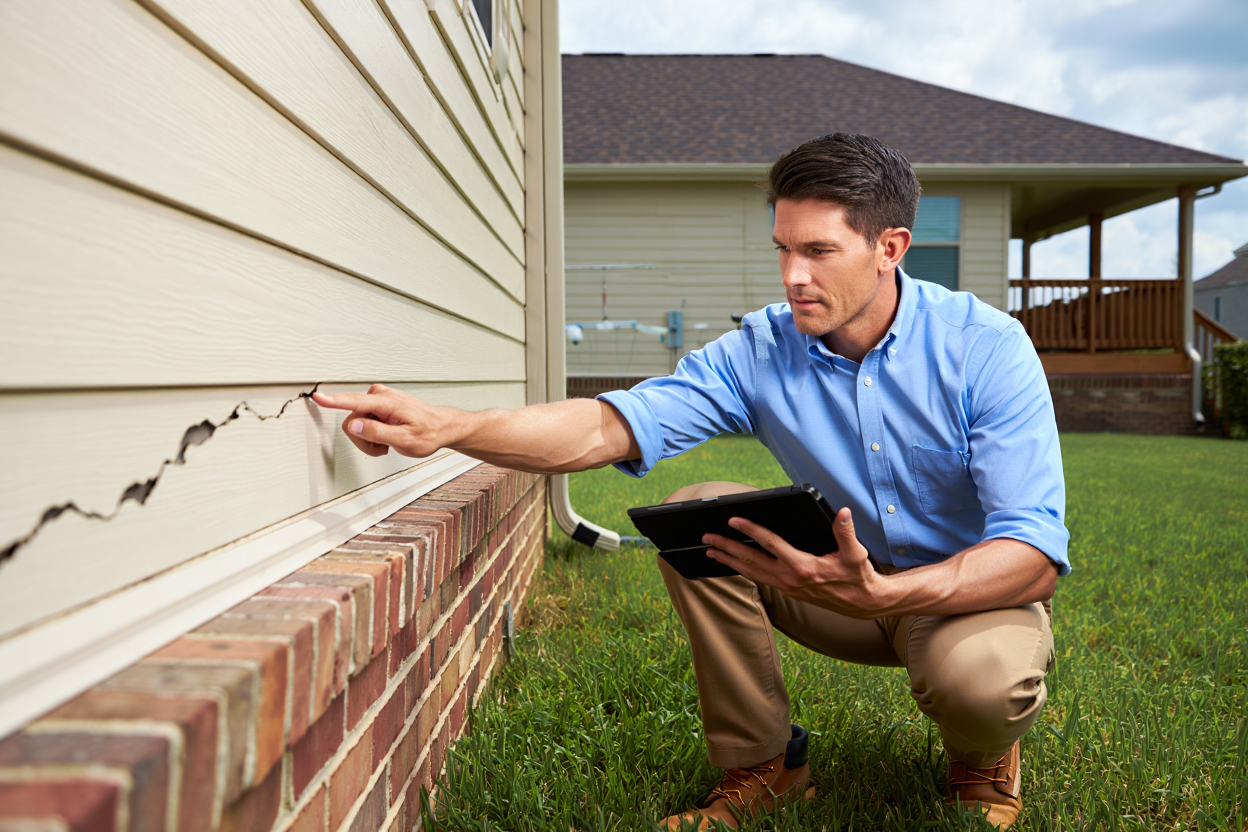
One of the decisions you'll have to make when you're thinking about buying a house -- or when you're in the process of making an offer -- is whether or not you'd like to have a home inspection.
You may be wondering: What does a home inspection actually involve? What does a home inspector do?
At a basic level, a home inspector's job is to evaluate a house's condition. But that can mean many different things, so let's break it down.
What a Home Inspector WILL do
A home inspector performs a non-invasive evaluation of a home.
They assess the home's major systems and visible components, including the roof, structure, interior, plumbing, electrical, heating, and cooling systems, among others.
They also test many of the everyday items in a house--appliances, outlets, faucets, toilets, and more.
They aren't looking for perfection. Every home has issues, even newer ones. Instead, they're looking for signs of problems or clues that could point to current or future issues.
What a Home Inspector WILL NOT do
A home inspector won't open up walls, cut into ceilings, or tear systems apart. They won't do anything that causes damage or involves invasive testing.
They also won't tell you whether a house is “good” or “bad,” or whether you should or shouldn't buy it. Their job is to present the facts clearly and objectively. They aren't there to point out minor cosmetic flaws, like small scratches, a speck on the floor, or normal and expected signs of aging.
The goal of a home inspection is to give buyers clear, useful information, so they can move forward with a better understanding of what they're buying.
The Takeaway
A home inspection isn't about finding a "perfect" house. It's about understanding the one you're buying.
If you're wondering whether a home inspection makes sense for your situation, how it might affect your offer, or who to trust for the inspection itself, I'd love to help point you in the right direction.
You may be wondering: What does a home inspection actually involve? What does a home inspector do?
At a basic level, a home inspector's job is to evaluate a house's condition. But that can mean many different things, so let's break it down.
What a Home Inspector WILL do
A home inspector performs a non-invasive evaluation of a home.
They assess the home's major systems and visible components, including the roof, structure, interior, plumbing, electrical, heating, and cooling systems, among others.
They also test many of the everyday items in a house--appliances, outlets, faucets, toilets, and more.
They aren't looking for perfection. Every home has issues, even newer ones. Instead, they're looking for signs of problems or clues that could point to current or future issues.
What a Home Inspector WILL NOT do
A home inspector won't open up walls, cut into ceilings, or tear systems apart. They won't do anything that causes damage or involves invasive testing.
They also won't tell you whether a house is “good” or “bad,” or whether you should or shouldn't buy it. Their job is to present the facts clearly and objectively. They aren't there to point out minor cosmetic flaws, like small scratches, a speck on the floor, or normal and expected signs of aging.
The goal of a home inspection is to give buyers clear, useful information, so they can move forward with a better understanding of what they're buying.
The Takeaway
A home inspection isn't about finding a "perfect" house. It's about understanding the one you're buying.
If you're wondering whether a home inspection makes sense for your situation, how it might affect your offer, or who to trust for the inspection itself, I'd love to help point you in the right direction.